
Search results: 3992
This is a continuation of Routine Clinical Chemistry. It also deals with the principles of liver function test, clinical enzymology, electrolytes and blood gases
- Teacher: argyle polig
- Teacher: MARIA SHIELA RAMOS
- Enrolled students: 13
- Teacher: MARIA SHIELA RAMOS
- Enrolled students: 14
This is a continuation of Routine Clinical Chemistry. It also deals with the principles of liver function test, clinical enzymology, electrolytes and blood gases
- Teacher: argyle polig
- Teacher: MARIA SHIELA RAMOS
- Enrolled students: 26
 The course deals with the concepts and principles of different red cell antigen systems and the application of specific blood group antigens and antibodies to compatibility testing. It also deals with the entire blood donation process or transfusion medicine.
- Teacher: Daisy ruiz
- Enrolled students: 30
- Teacher: MARIA SHIELA RAMOS
- Enrolled students: 28
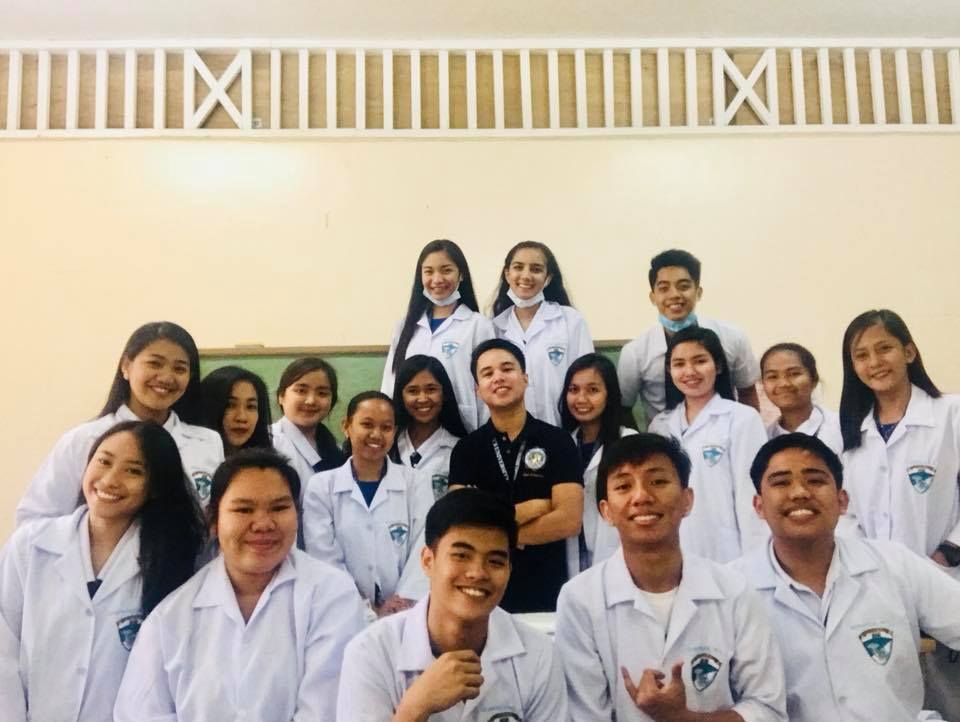
The Medical Technology/Medical Laboratory Science Internship Training Program is in the fourth year level of Bachelor of Science in Medical Technology/Medical Laboratory Science course. It is an intensive practical and theoretical training in the different sections in the clinical laboratory namely, Clinical Chemistry, Hematology, Immunohematology (Blood Banking), Immunology, Serology, Microbiology, Urinalysis and Other Body Fluids (Clinical Microscopy), Parasitology, Histopathology/Cytology and other emergent technologies. It also emphasizes the development of proper value system.
- Teacher: Jerick Dela Cruz
- Teacher: MARIA SHIELA RAMOS
- Enrolled students: 51

This course begins with an introduction to the nature of Mathematics as an exploration of patterns (in nature and the environment) and as an application of inductive and deductive reasoning. By exploring these topics, students are encourage to go beyond the typical understanding of Mathematics as merely a bunch of formulas but as a source of aesthetics in patterns of nature, for example, and a rich language in itself (and of Science) governed by logic and reasoning.
The course then proceeds to survey ways in which Mathematics provides a tool for understanding and dealing with various aspects of present day living, such as managing personal finances, making social choices, appreciating geometric designs, understanding code used in data transmission and security, and dividing limited resources fairly. These aspects will provide opportunities for actually doing mathematics in a broad range of exercises that bring out the various dimensions of Mathematics as a way of knowing, and test the students’ understanding and capacity. (CMO No. 20, series of 2013)
- Teacher: Domingo Guntalilib
- Enrolled students: 42

The course deals with the study of basic disease processes, correlating the etiology of disease with the course of the development of anatomic and clinical changes brought about by the disease. It includes the study of the histologic techniques essential in the production of histologic slides for the diagnosis of diseases including special staining procedures. It also deals with the study and identification of cells in the diagnosis of diseases using cytologic techniques.
- Teacher: MARIA SHIELA RAMOS
- Enrolled students: 43
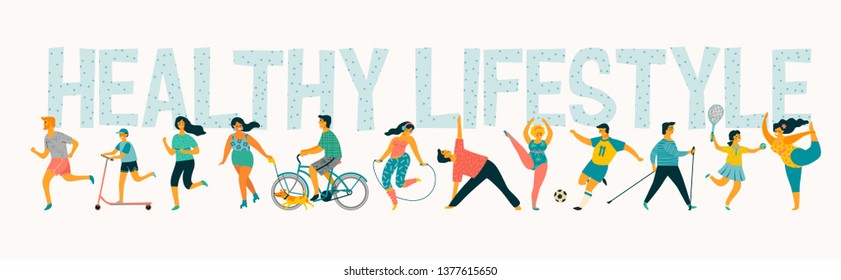
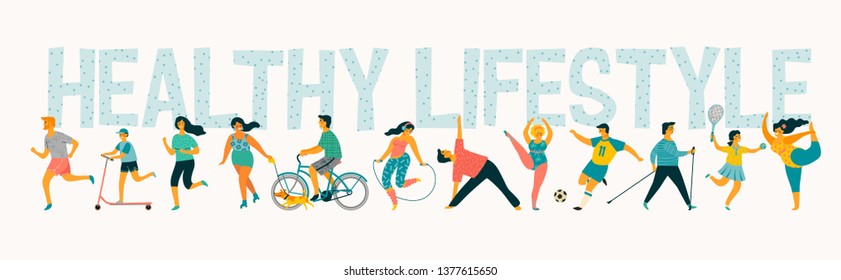
PATH FIT 1 offered to college students provides knowledge on health and fitness activities. Part 1 presents legal bases that discusses why it is part of the curriculum. It also introduces the concept of Physical Education and of fitness and its relevance to wellness development and culminates with fitness testing. Part II deals with movement enhancement that involves the understanding of scientific basic movement and specific movement patterns. Health education and importance of nutrition are also included. Part III consists of Exercises Program that starts from warm-up exercises to cool-down exercises. Part IV deals with Aerobic exercise activities. These activities exert low to high intensity of movement exercises accompanied with music which test student’s endurance, power, and flexibility in all action. With these variety of skills, one will be more knowledgeable as to how continued fitness be achieved throughout one’s lifetime
At the end of the course, the students should be able to:
1. examine their physical fitness and recognize the importance of a healthy living.
2. practice desirable & necessary traits/values for adjustment to happy living & to life in general
3. perform physical activities that will challenge the individual in the performance of movement skills
4. apply learning relative to health education through personal care, hygiene, and nutrition
5. learn some movement exercises that are relevant to wellness development.
6. maintain normal functioning of the organic system of the body and develop muscular strength and coordination
- Teacher: SHERWIN MARCIANO
- Teacher: Judy Ann Pocquias
- Enrolled students: 49

Diskripsiyon ng Kurso
Ang Kursong Kontekstwalisadong Komunikasyon sa Filipino ay isang praktikal na kursong nagpapalawak at nagpapalalim sa kontekstwalisadong komunikasyon sa wikang Filipino ng mga mamamayang Pilipino sa kani-kanilng komunidad sa partikular, at sa buong lipunang Pilipino sa pangkalahatan. Nakatuon ang kursong ito sa makrokasanayang pakikinig at pagsasalita, gayundin sa kasanayan sa paggamit ng iba't ibang tradisyonal t modernong midya na makabuluhan sa kontekstong Pilipino sa iba't ibang antas at larangan.
- Teacher: LEILANIE CRISTIE SAGABAEN
- Enrolled students: 50
- Teacher: CLARISSA CUTARAN
- Enrolled students: 47
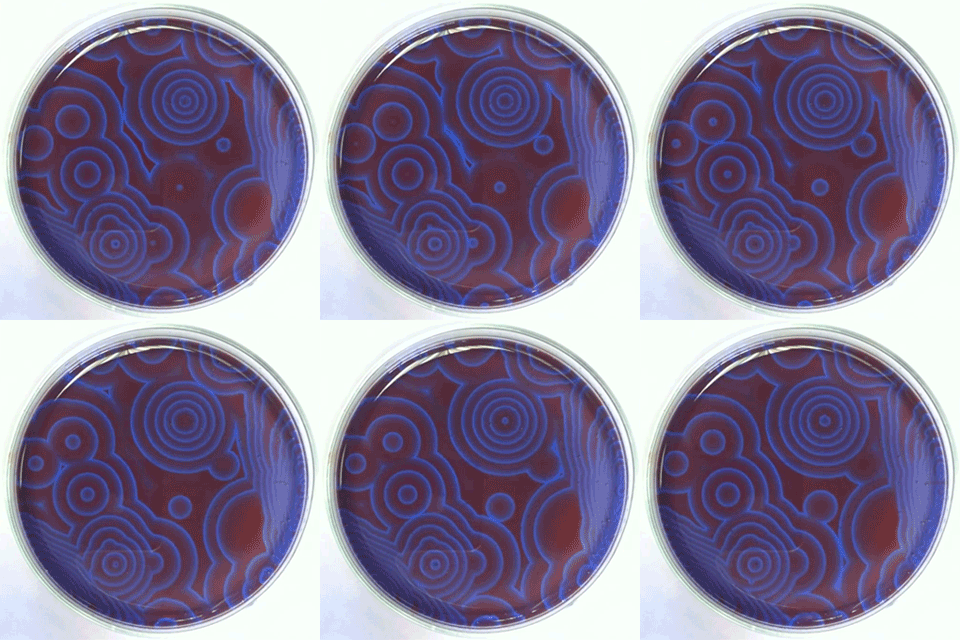
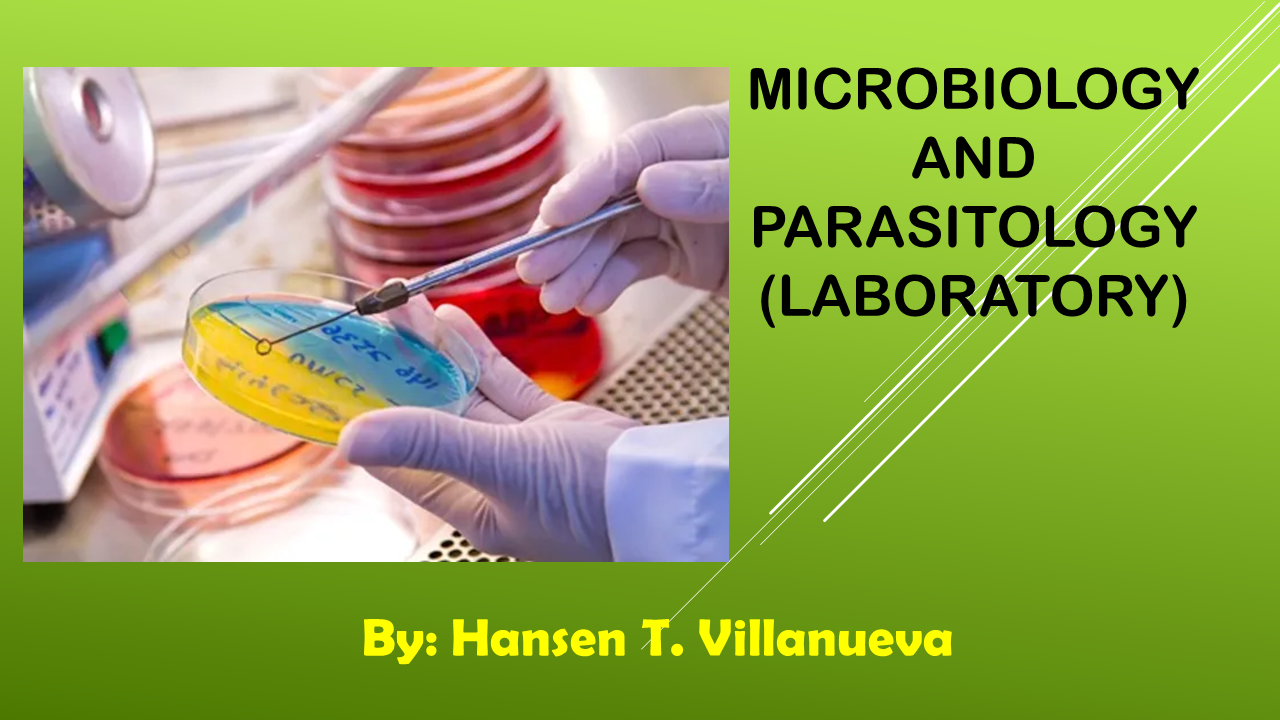
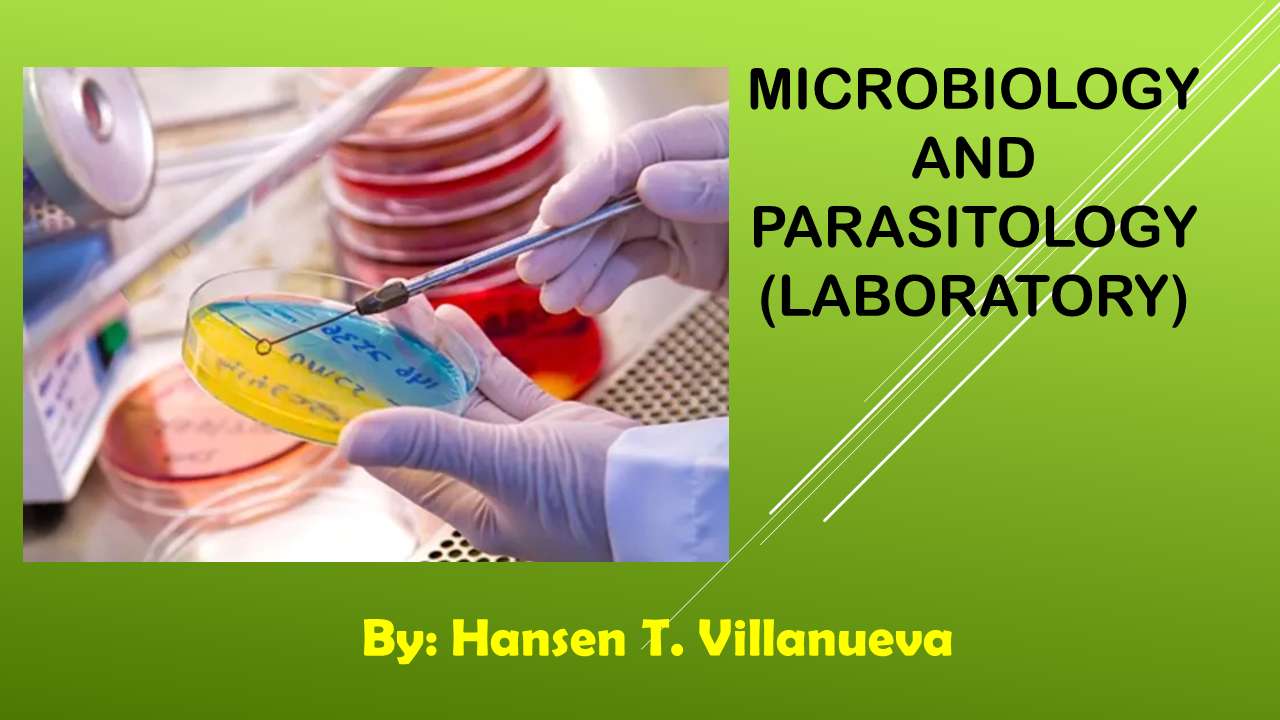
The course which deals with the study of the morphology and physiology of bacteria and their role in infection and immunity. Emphasis is made on their isolation, identification, and susceptibility testing as an aid in laboratory diagnosis.
- Teacher: KYLA GAIL DAGAN
- Teacher: MARIA SHIELA RAMOS
- Enrolled students: 27
At the end of the course, the students should be able to:
1. examine their physical fitness and recognize the importance of a healthy living.
2. practice desirable & necessary traits/values for adjustment to happy living & to life in general
3. perform physical activities that will challenge the individual in the performance of movement skills
4. apply learning relative to health education through personal care, hygiene, and nutrition
5. learn some movement exercises that are relevant to wellness development.
6. maintain normal functioning of the organic system of the body and develop muscular strength and coordination
- Teacher: SHERWIN MARCIANO
- Teacher: Judy Ann Pocquias
- Enrolled students: 44
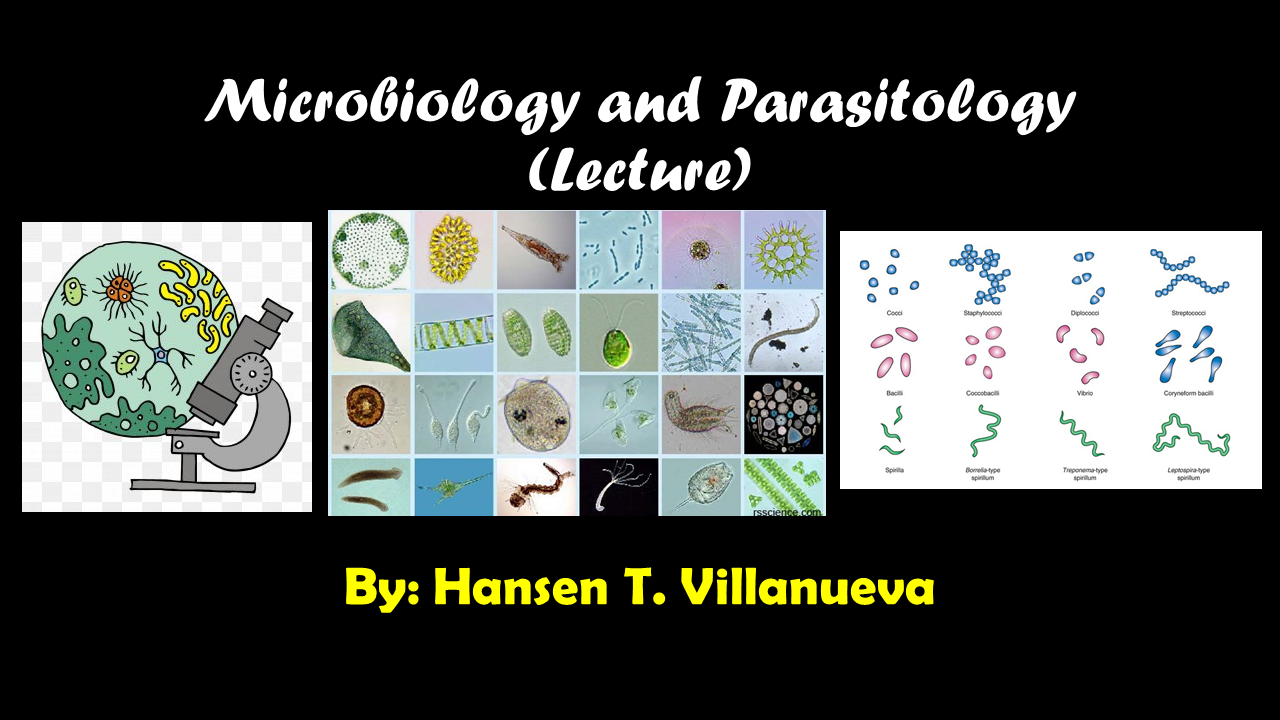
The main difference between microbiology and parasitology is that microbiology is the study of all microscopic organisms whereas parasitology is the study of parasites.
- Teacher: Hansen Villanueva
- Enrolled students: 45
- Teacher: Hansen Villanueva
- Enrolled students: 20
- Teacher: Hansen Villanueva
- Enrolled students: 45

- Teacher: LEILANIE CRISTIE SAGABAEN
- Enrolled students: 49
The course deals with interactions between science and technology and social, cultural, political, and economic contexts that shape and are shaped by them. (CMO No. 20, series of 2013)
This interdisciplinary course engages students to confront the realities brought about by science and technology in society. Such realities pervade the personal, the public, and the global aspects of our living and are integral to human development. Scientific knowledge and technological development happen in the context of society with all its socio-political, cultural, economic, and philosophical underpinnings at play. This course seeks to instill reflective knowledge in the students that they are able to live the good life and display ethical decision making in the face of scientific and technological advancement.
This course includes mandatory topics on climate change and environmental awareness.- Teacher: Shiellah Mae Barsicula
- Enrolled students: 35
- Teacher: RHODORA UY
- Enrolled students: 50
- Teacher: RHODORA UY
- Enrolled students: 29