
Search results: 3992
Course Description:
This course is designed to assist students in the study of important microorganisms and parasites. It explains the physiologic and pathogenic properties of bacteria, fungi, and viruses as an introduction to disease causation, their biology, the infections they cause, host responses to these infections and their mode of transmission, prevention, treatment and nursing responsibilities.
The laboratory experience provides specimen collection, handling and processing of specimens for isolation and identification of microorganisms and parasites involved in the infectious processes.
- Teacher: Czerilou Marie Quibuyen
- Enrolled students: 21
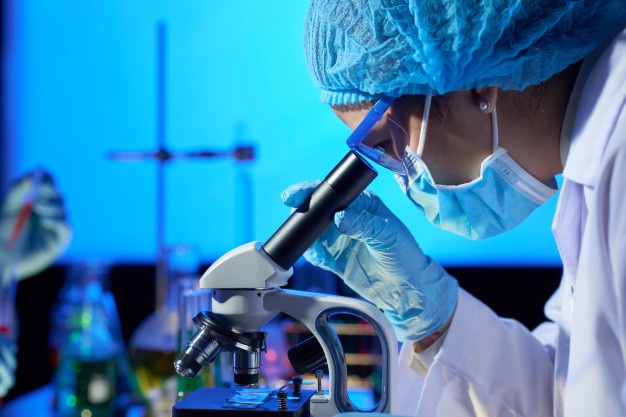
This course is designed to assist students in the study of important microorganisms and parasites. It explains the physiologic and pathogenic properties of bacteria, fungi and viruses as an introduction to disease causation, their biology, the infections they cause, host responses to these infections and their mode of transmission, prevention, treatment, and nursing responsibilities.
The laboratory experience provides specimen collection, handling and processing of specimens for isolation and identification of microorganisms and parasites involved in the infectious processes.
- Teacher: RHODORA UY
- Enrolled students: 22
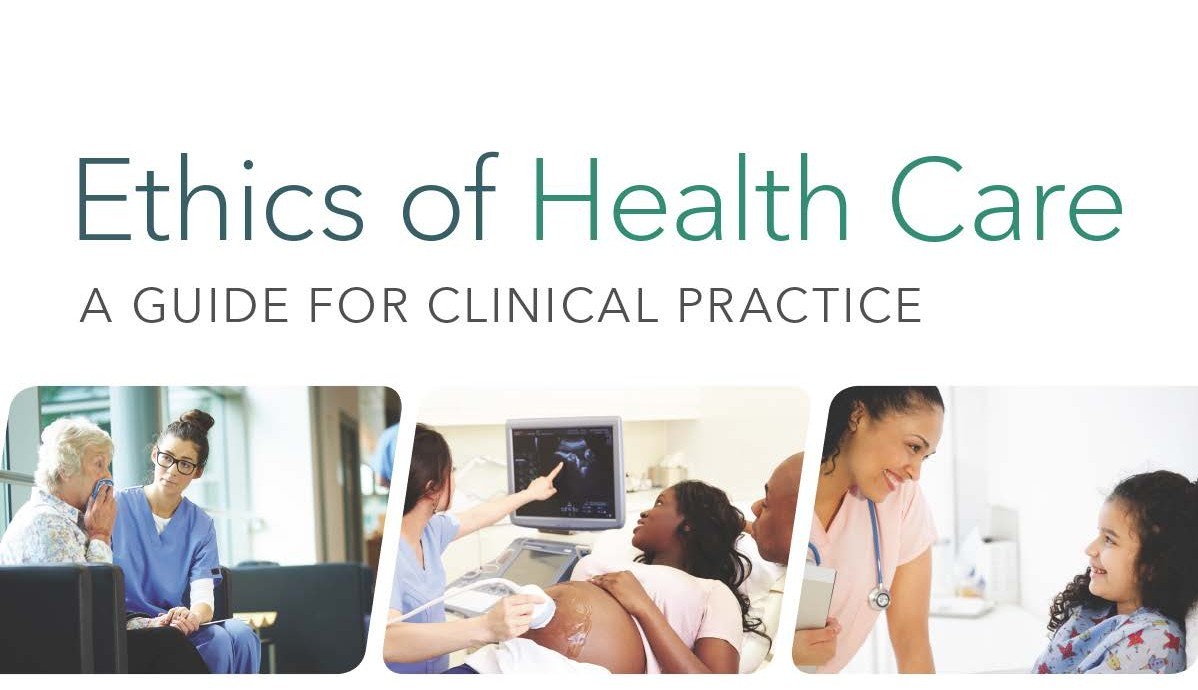
This course introduces undergraduate nursing students to ethics study's applied and interdisciplinary components. It aims to equip them with rational and intellectual skills in critically applying ethical concepts and principles in general and bioethical principles in particular in analyzing moral issues surrounding health care professional practice and delivery. This will make the students appreciate the importance of ethical concepts and principles in providing a sound basis for moral decision-making in the health care setting. This course will explore various bioethical topics and examine relevant case studies on health provider and recipient relationships, reproduction, death and dying, human genetics, and health resource allocation. Through case analyses, debates, and discussions, nursing students will develop a profound understanding of the deeply philosophical foundation and implications of health care decisions and their reflective competencies that will prepare them to render quality and holistic health care.
Course Objectives:
1. To articulate various ethical perspectives related to significant health care issues.
2. To appreciate the breadth of the field of bioethics and integrate its theoretical material with discussions of case studies in health care.
3. To increase awareness of the ethical theories and principles relevant to resolving moral issues in health care provision.
4. To increase students’ ability to engage in rational analysis of ethical issues, to express their views freely and spontaneously both in speech and in writing, and to engage the views of others (their classmates) in debates and discussions.
To craft well‐argued, well‐written papers showing understanding of and analytical engagement with a given subject matter.- Teacher: KERWIN BAYOT
- Enrolled students: 49
- Teacher: Zenith COL-COLI
- Enrolled students: 23
- Teacher: Czerilou Marie Quibuyen
- Enrolled students: 24
Course Description:
This course is designed to assist students in the study of important microorganisms and parasites. It explains the physiologic and pathogenic properties of bacteria, fungi, and viruses as an introduction to disease causation, their biology, the infections they cause, host responses to these infections and their mode of transmission, prevention, treatment and nursing responsibilities.
The laboratory experience provides specimen collection, handling and processing of specimens for isolation and identification of microorganisms and parasites involved in the infectious processes.
- Teacher: Regidor Almendral
- Teacher: Czerilou Marie Quibuyen
- Enrolled students: 22
This course deals with the study of the chemical substances found in living organisms and the chemical interactions of these substances with each other.
This course deals with the structural chemistry of proteins, carbohydrates, lipids, and nucleic acids, relating to their respective biological functions. It also includes the building blocks by which the biomolecules are synthesized; the structure-function, kinetics and regulation of enzymes; and the study of metabolic pathways, processes and disease correlation.
- Teacher: Kishelle Claire MONTEMAYOR
- Enrolled students: 50
Course Description
This course is designed to assist students in the study of important microorganisms and parasites. It explains the physiologic and pathogenic properties of bacteria, fungi, and viruses as an introduction to disease causation, their biology, the infections they cause, host responses to these infections and their mode of transmission, prevention, treatment and nursing responsibilities.
The laboratory experience provides specimen collection, handling and processing of specimens for isolation and identification of microorganisms and parasites involved in the infectious processes.
- Teacher: RHODORA UY
- Enrolled students: 22
- Teacher: Zenith COL-COLI
- Enrolled students: 50
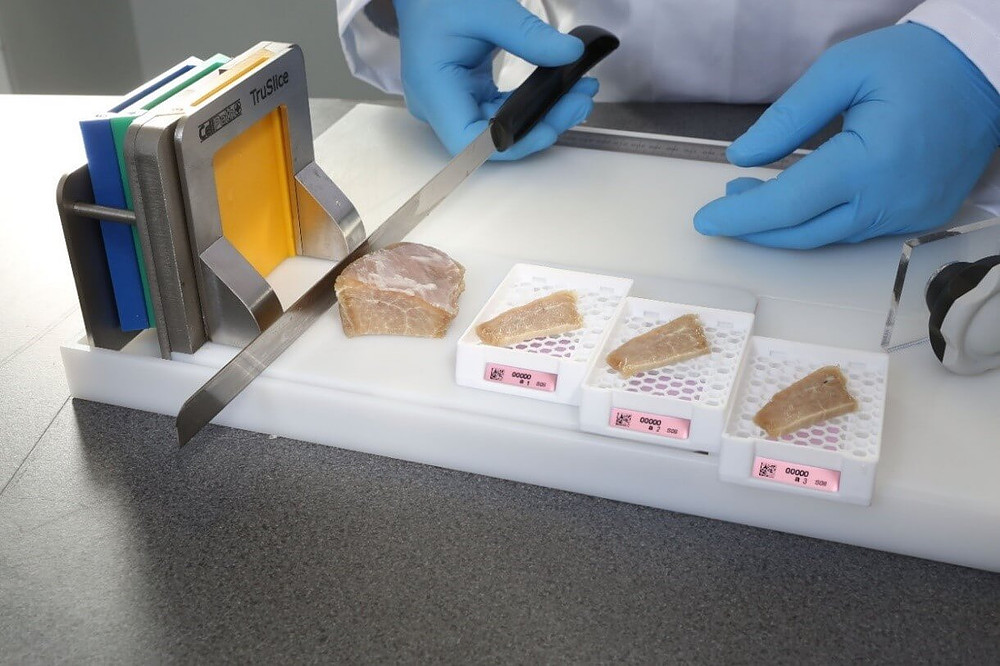
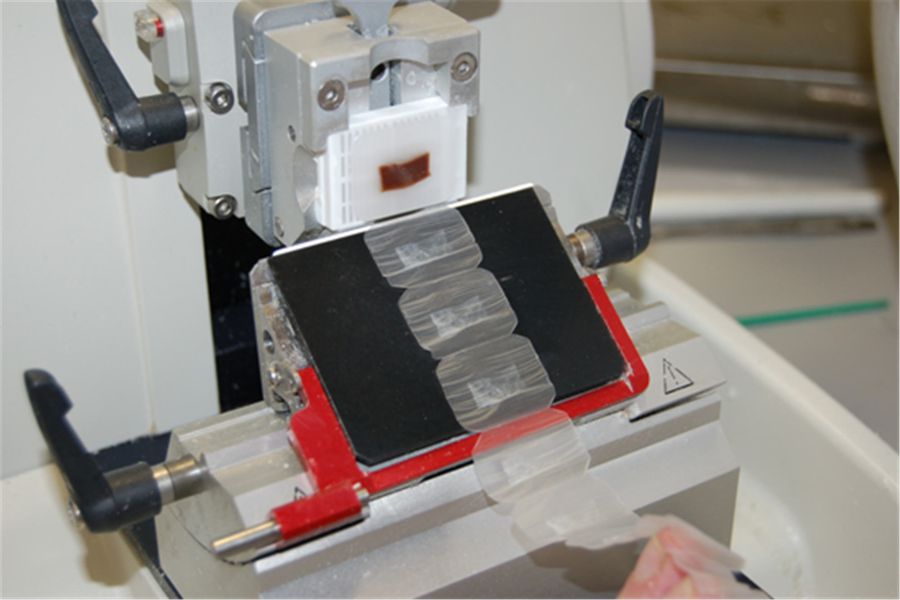
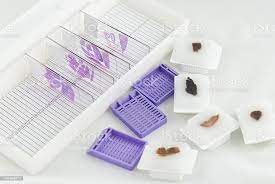
The course deals with the study of the histologic techniques essential in the production of histologic slides for the diagnosis of diseases including several staining procedures.
- Teacher: Zenith COL-COLI
- Enrolled students: No students enrolled in this course yet
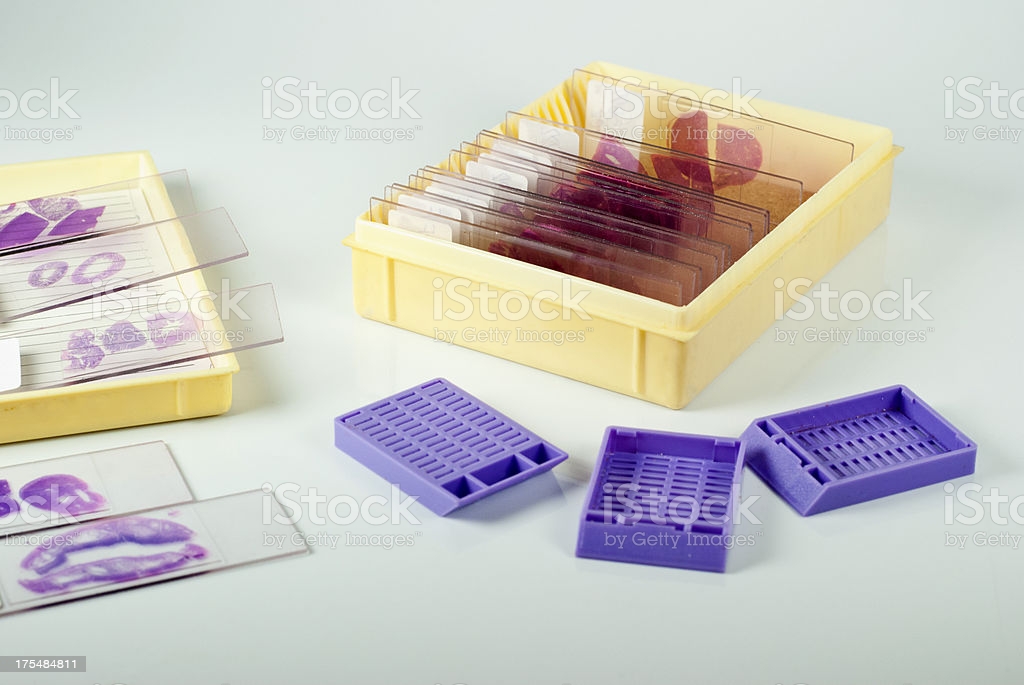
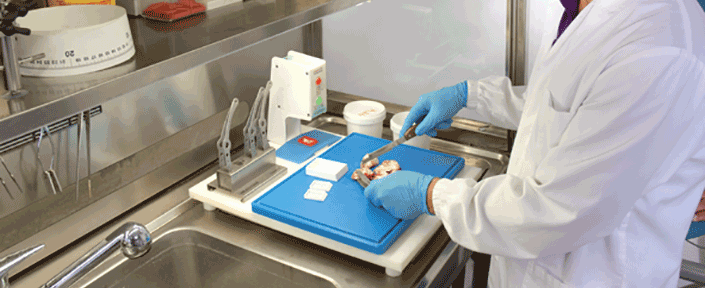
The course is divided into three. The first part deals with the study of basic disease processes, correlating the etiology of disease with the course of development of anatomic and clinical changes brought about by the disease. The second part is a study of the histologic techniques essential in the production of histologic slides for the diagnosis of diseases including staining procedures. The third part is the study and identification of cells in the diagnosis of diseases using cytologic techniques.
Course Objectives:
At the end of the course, the students will be able to:
1. Discuss the basic concept of disease formation.
2. Explain the physiologic changes brought about by the various diseases.
3. Discuss step-by-step procedure in tissue preparation.
4. Recognize the concepts of quality assurance program in Histopathology laboratory.
5. Acquire the necessary skills required in the preparation of slides for microscopic examination of tissues.
6. Apply the knowledge acquired about diseases in daily living.
7. Manifest the following values: honesty, critical thinking, empathy, and value for life.
- Teacher: Zenith COL-COLI
- Enrolled students: 28
- Teacher: Zenith COL-COLI
- Enrolled students: 50
- Teacher: Zenith COL-COLI
- Enrolled students: 28
- Teacher: MARIA SHIELA RAMOS
- Enrolled students: 1
- Teacher: MARIA SHIELA RAMOS
- Enrolled students: 1
- Teacher: MARIA SHIELA RAMOS
- Enrolled students: 1
- Teacher: Zenith COL-COLI
- Enrolled students: 37
- Teacher: Zenith COL-COLI
- Enrolled students: 21
- Teacher: Zenith COL-COLI
- Enrolled students: 16

This course deals with the concepts of Exercise Program and basic movement and rhythmic skills used in learning and creating simple natural dances. It includes basic steps and dance needed in the correct interpretation and performance of Philippine folk dances. Social dances are also introduced.
- Teacher: MARY GRACE MEDINA BULATAO
- Enrolled students: 34