
Search results: 3992
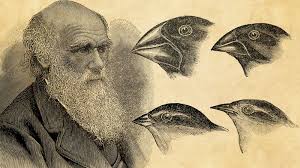
"Nothing makes sense in biology except in the light of evolution" says Theodosius Dobzhansky in 1973. This course begins with a review of the basic concepts of evolution before advancing to selected topics on macroevolutionary processes including updates on the origins of certain taxa.
- Teacher: JASON ARNOLD MASLANG
- Enrolled students: 4
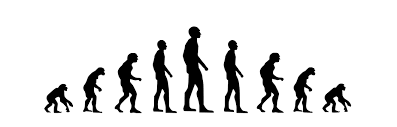
This course deals with advanced research in a few areas of evolutionary biology, including mechanisms of speciation, epigenetics, quantitative genetics, phylogenetics, comparative techniques, evolutionary developmental biology, and the evolution of life on earth.
- Teacher: Arlene Tabaquero
- Enrolled students: 2
- Enrolled students: No students enrolled in this course yet
- Enrolled students: No students enrolled in this course yet
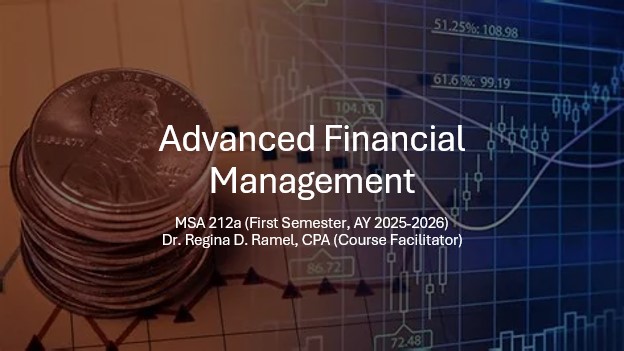
This course provides an in-depth understanding of financial management principles and practices at an advanced level. Topics include capital budgeting, financial analysis, risk management, capital structure, working capital management, and valuation. Emphasis is placed on strategic financial decision-making in complex business environments.
- Teacher: REGINA RAMEL
- Enrolled students: 7
- Enrolled students: 1
- Teacher: Alicia Jubay
- Enrolled students: 6
This course presents Genetics along the concepts and principles of molecular and cellular basis of inheritance, classical or transmission Genetics, population Genetics and DNA Biotechnology. Each of the topics requires comprehensive, mathematical, interpretative and predictive analyses.
- Teacher: CATHELYN MARIANO
- Enrolled students: 2
- Enrolled students: No students enrolled in this course yet

- Teacher: JEFRIE ALINDAYU
- Enrolled students: 17
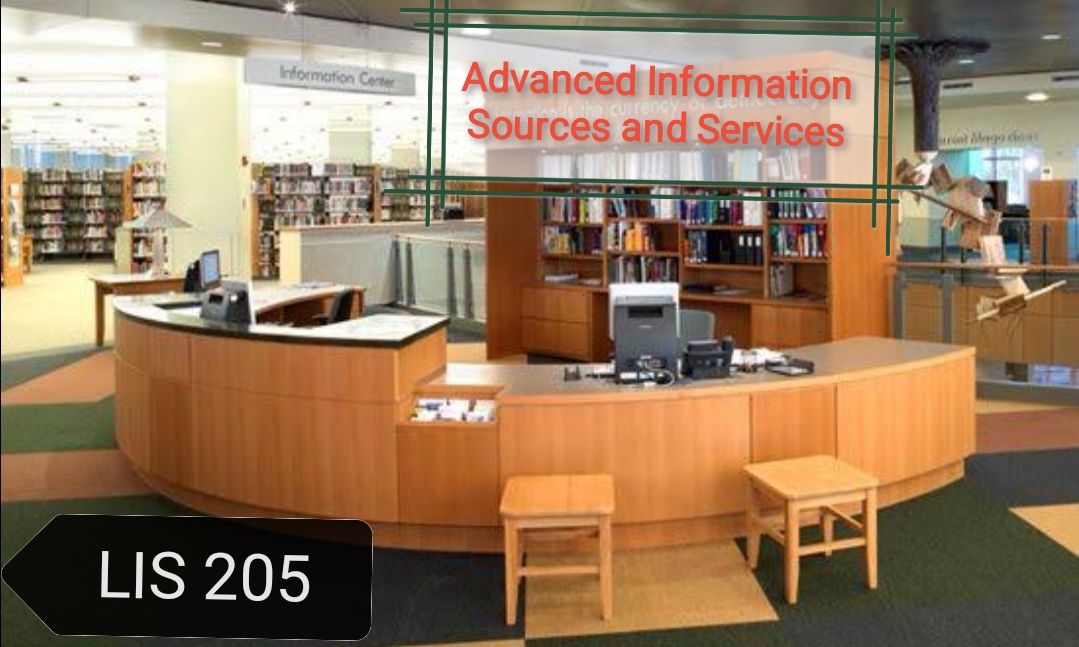
This course deals on the advanced requirements of effective and efficient information services including training and skills of information librarians or specialists. It is focused on the in-depth study and practice of reference services including the formulation of search strategy, use of primary and secondary sources, methods of keeping updated in a field, notetaking strategies, documentation, and presentation of results of library research
- Teacher: DAVID CABONERO
- Enrolled students: 9
- Teacher: FEBIE LANZUELA
- Enrolled students: 1
- Teacher: DAVID CABONERO
- Enrolled students: 3

This course deals with the advanced principles, practices and modern theories in managing libraries and information centers. It is aimed at providing library managers in all levels of education and in all schemes of education with professional competence, attitudes, values, and managerial skills to lead their library in progress.
It also focuses on the management of the library such as collection development, physical resources, information and communication technologies, human resources, financial resources, and library services; and preparing library development plan, strategic management action plan, and library project proposal.
Course Learning Outcomes
This course is intended to develop the key competencies of managing the key resource of any organization – its human resources for competitive advantage. At the end of the semester students must be able to:
1. differentiate the various management approaches applicable to library settings
2. enhance their knowledge, skills, attitudes and values in managing the library in accordance with the law and Code of Ethics for Filipino Librarians.
3. identify and translate new management theories, principles and practices in library setting particularly in their workplace.
4. perform the SWOT analysis in their own work place.
5. craft a project proposal integrating the functions of management such as planning, organizing, staffing, directing, controlling and budgeting.
- Teacher: ROSIELYN AUSTRIA
- Enrolled students: 3
- Teacher: FEBIE LANZUELA
- Enrolled students: 3

LIS 202 - Advanced Library and Information Management
Course Description
This course deals with the advanced principles, practices and modern theories in managing libraries and information centers. It is aimed at providing library managers in all levels of education and in all schemes of education with professional competence, attitudes, values, and managerial skills to lead their library in progress.
It also focuses on the management of the library such as collection development, physical resources, information and communication technologies, human resources, financial resources, and library services; and preparing library development plan, strategic management action plan, and library project proposal.
Course Learning Outcomes
This course is intended to develop the key competencies of managing the key resource of any organization – its human resources for competitive advantage. At the end of the semester students must be able to:
1. differentiate the various management approaches applicable to library settings
2. enhance their knowledge, skills, attitudes and values in managing the library in accordance with the law and Code of Ethics for Filipino Librarians.
3. identify and translate new management theories, principles and practices in library setting particularly in their workplace.
4. perform the SWOT analysis in their own work place.
5. craft a project proposal integrating the functions of management such as planning, organizing, staffing, directing, controlling and budgeting.
- Teacher: ROSIELYN AUSTRIA
- Enrolled students: 11
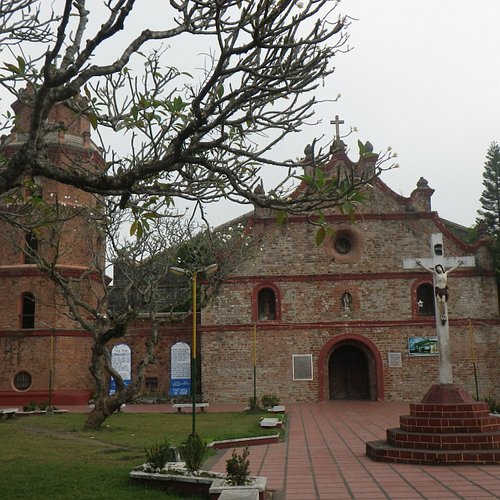
This course explores the study of community histories by examining models and theories used by historians and other social scientists. It also uses case studies that apply to a number of approaches in selected themes and areas. It enhances research skills through the proper use of primary and secondary sources and develops creativity through the utilization of sources other than documentary. It serves as an avenue for the integration of local history into the larger themes of social studies and enables students to use local resources to make new connections across the social studies curriculum.
- Teacher: FE YOLANDA DEL ROSARIO
- Enrolled students: 14
- Teacher: FE YOLANDA DEL ROSARIO
- Enrolled students: 13
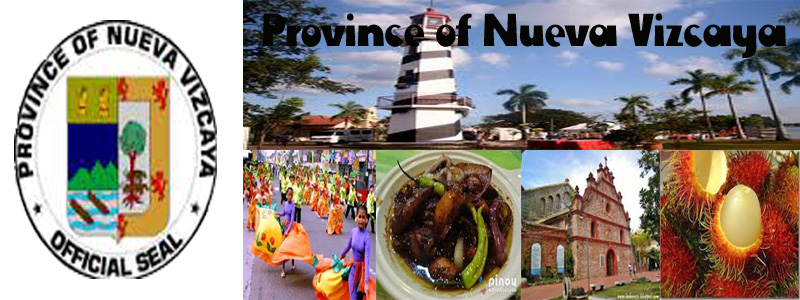
This course explores the study of community histories by examining models and theories used by historians and other social scientists. It also uses case studies that apply to a number of approaches in selected themes and areas. It enhances research skills through the proper use of primary and secondary sources and develops creativity through the utilization of sources other than documentary. It serves as an avenue for the integration of local history into the larger themes of social studies and enables students to use local resources to make new connections across the social studies curriculum.
- Teacher: FE YOLANDA DEL ROSARIO
- Enrolled students: 6