
Search results: 3992
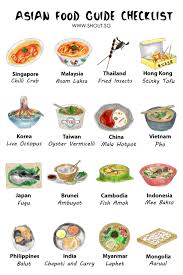
This course deals with the basic knowledge and skills in the presentation of Asian Cuisine. This will give students the idea, on how these cuisines were developed and the techniques on how to prepare different dishes with the one of specialized tools.
This fundamental concepts, skills and techniques involved in basic cooking are covered in this course. Special emphasis is given to the study of history, ingredients, cooking theories, and the procedures for preparing modern, traditional, and the contemporary Asian Cuisine.
- Teacher: JOHN MICHAEL IBARRA
- Enrolled students: 23
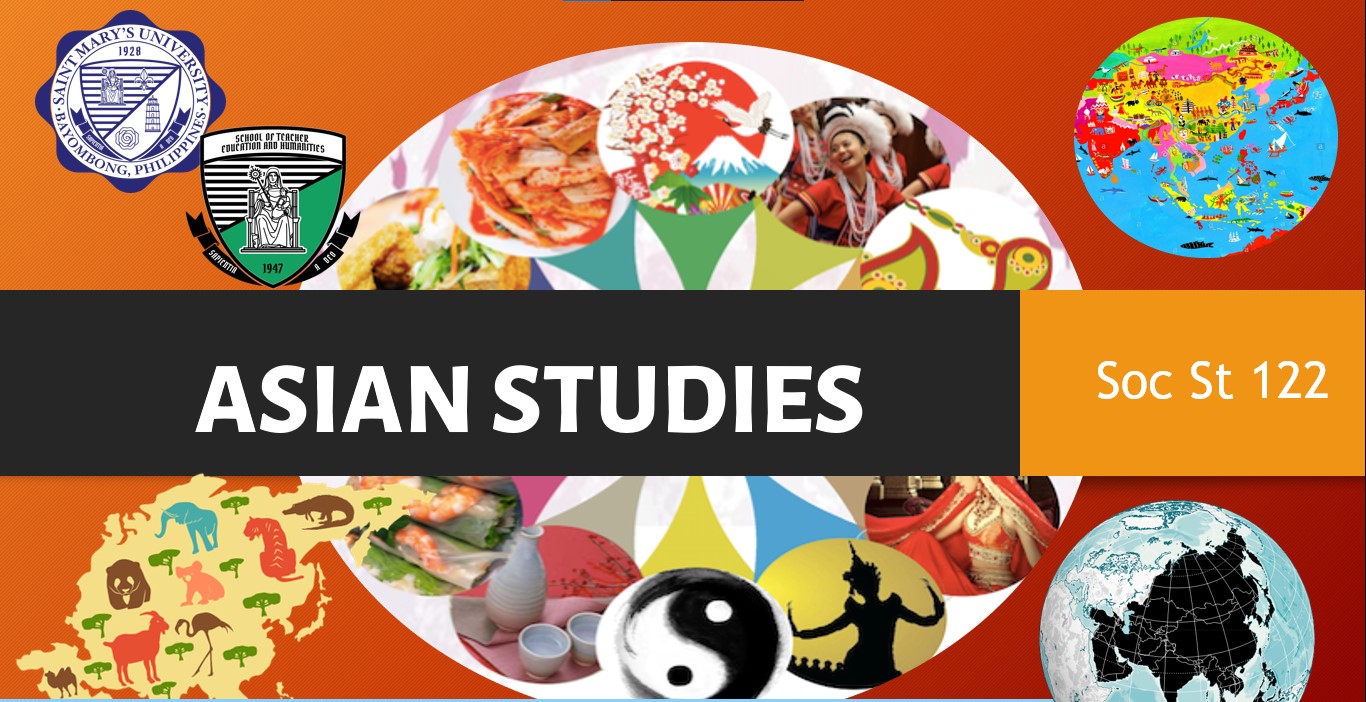
This course examines the development perspectives in Asian countries, cultures and values as well as issues and challenges, historical roots, and Asian responses. It includes the geographical and socio-historical settings of these nations, western encroachments and Asian responses to the issues of the present times. The focus is on the traditional elements of these civilizations, the role of geography and human/cultural elements and the bonds that held these civilizations together and their relations to the world of today. It also examines the political, economic and socio-cultural issues in Asian societies today in light of historical and global forces at work in the continent. This course is designed to enable students to make comparative study of Asian Societies.
- Teacher: ERNEST ESMERALDA
- Enrolled students: 3
Social Studies teachers must be schooled not only in the subject matters of the Social Sciences but in the analysis of the interplay between theory and practice. This course is intended to provide Social Studies graduate students the ability to align relevant Social Studies core contents, practice in the arts of pedagogy attuned to the needs of diverse students, with appropriate assessment tools and techniques to objectively measure students’ learning. In a nutshell, the course offers quality assessments of students’ learning via information on the core principles of effective assessment, nature of assessment, its indicators and sample instruments and ultimately, a scrutiny of the alignment between and among curriculum, instruction, evaluation and assessment.
- Teacher: KENNETH MASLANG
- Enrolled students: 11
- Teacher: KENNETH MASLANG
- Enrolled students: 2
This course is designed to provide students an in-depth knowledge and understanding of the principles of valid and useful assessment and evaluation practices and their role in the educative process. The course gives emphasis on the use and development of modified traditional type of assessment, authentic and alternative assessment strategies to gauge the extent of learning in Mathematics. Moreover, it discusses issues and trends in assessment in mathematics teaching. As a requirement, the students are to construct test types aligned with the competencies and performance standards of K to 12 as well as construct evaluation tools for performance-based assessment.
- Teacher: DONNA BEE TOMINEZ
- Enrolled students: 3
This course is designed to provide students an in-depth knowledge and understanding of the principles of valid and useful assessment and evaluation practices and their role in the educative process. The course gives emphasis on the use and development of modified traditional type of assessment, authentic and alternative assessment strategies to gauge the extent of learning in Mathematics. Moreover, it discusses issues and trends in assessment in mathematics teaching. As a requirement, the students are to construct test types aligned with the competencies and performance standards of K to 12 as well as construct evaluation tools for performance-based assessment.
- Teacher: DONNA BEE TOMINEZ
- Enrolled students: 5
- Teacher: GEROME BAUTISTA
- Enrolled students: 40
The course deals with varied teaching strategies and approaches that will help special children develop their cognitive, psychomotor and creative abilities. Current trends and issues will also be integrated in the discussions.
- Teacher: Kevin Marf Saquing
- Enrolled students: 6
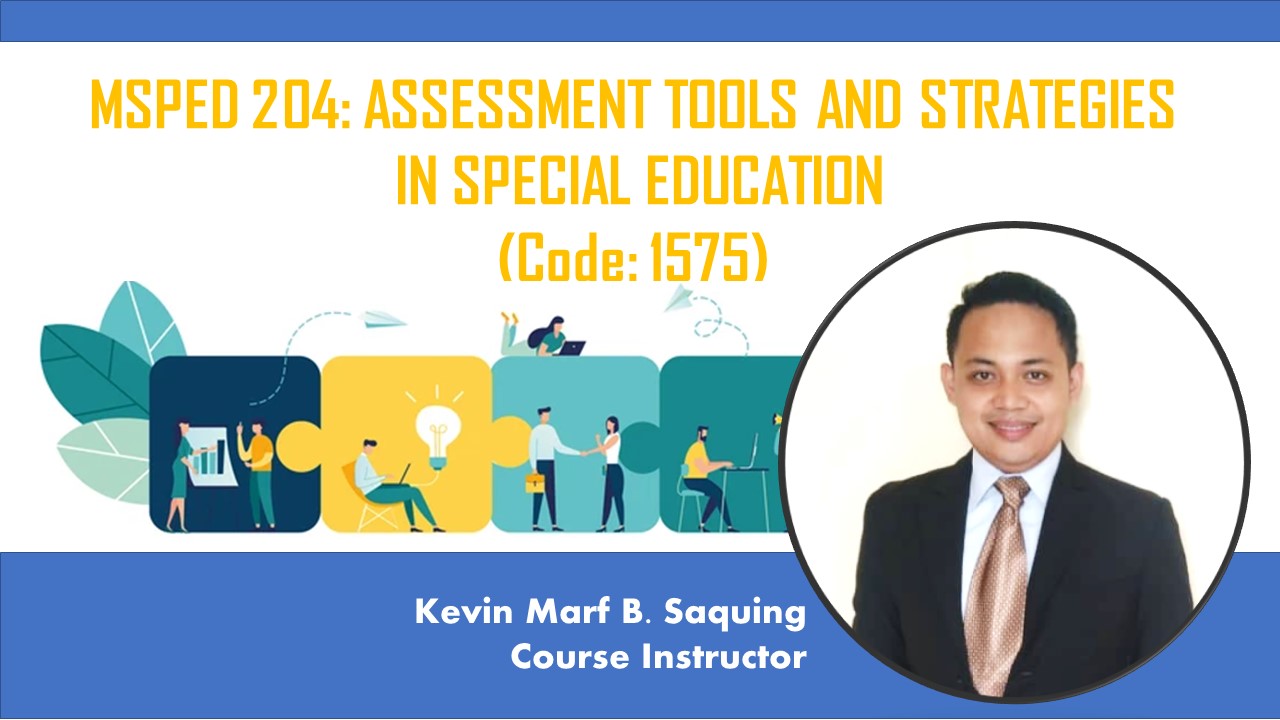
- Teacher: Kevin Marf Saquing
- Enrolled students: 9
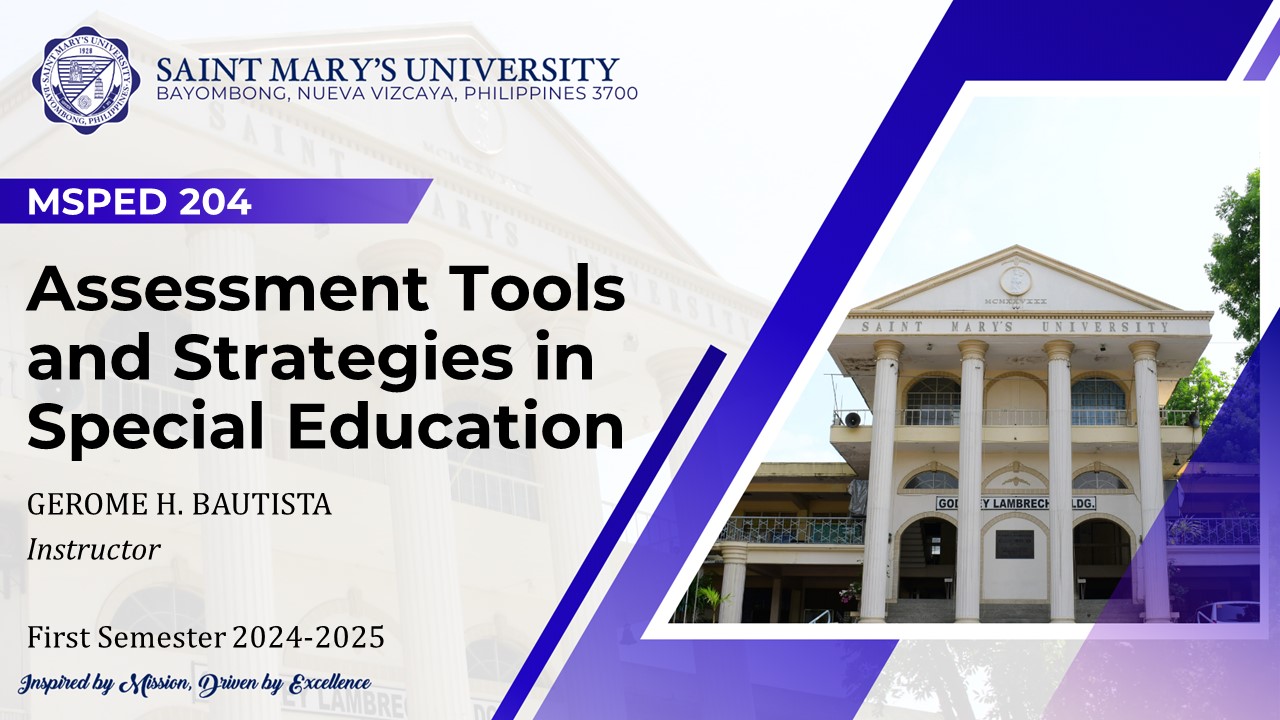
This course provides an in-depth exploration of the various assessment tools and strategies used to evaluate and support learners with diverse abilities in Special Education settings. Graduate students will critically examine both formal and informal assessment methods, including standardized tests, observational techniques, curriculum-based measurements, and performance assessments. Emphasis will be placed on selecting, administering, and interpreting assessments that are culturally responsive and developmentally appropriate for students with disabilities.
- Teacher: GEROME BAUTISTA
- Enrolled students: 9
- Teacher: JEANETTE MANIA
- Enrolled students: 31
- Teacher: JEANETTE MANIA
- Enrolled students: 50
- Teacher: JEANETTE MANIA
- Enrolled students: 52
- Teacher: LEO TUGAB
- Enrolled students: 52
- Teacher: JEANETTE MANIA
- Enrolled students: 28
- Teacher: LEO TUGAB
- Enrolled students: 33
- Teacher: LEO TUGAB
- Enrolled students: 50
- Teacher: LEO TUGAB
- Enrolled students: 23
- Teacher: JEANETTE MANIA
- Enrolled students: 46
- Teacher: LEO TUGAB
- Enrolled students: 51