
Search results: 4021
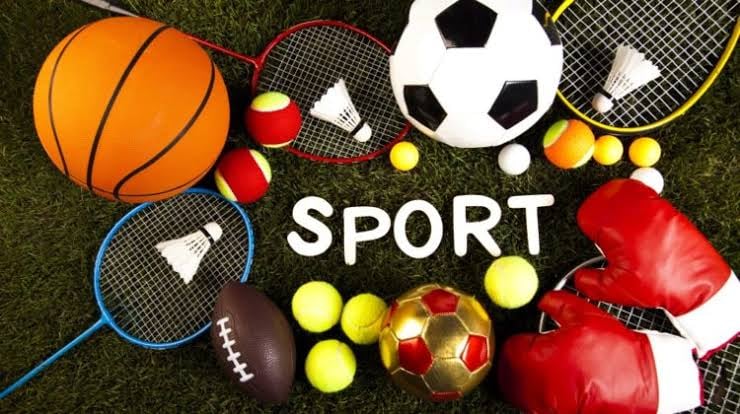
This course may be described as SPORTS SKILLS activities. It pertains to various activities with special kinds of skills particularly needed in playing highly organized games which are governed with rules and regulations such as Individual/Dual Sports and Team Sports. The emphasis is the development of a certain degree of expertise in the organization, officiating, playing, and scheduling of these games depending on one’s needs, interests, and aptitudes. It also helps/enriches students for the proper adaptation of time, particularly scheduling of games during a tournament in the school or in their community or locality.
- Teacher: Michael Gabriel
- Enrolled students: 30
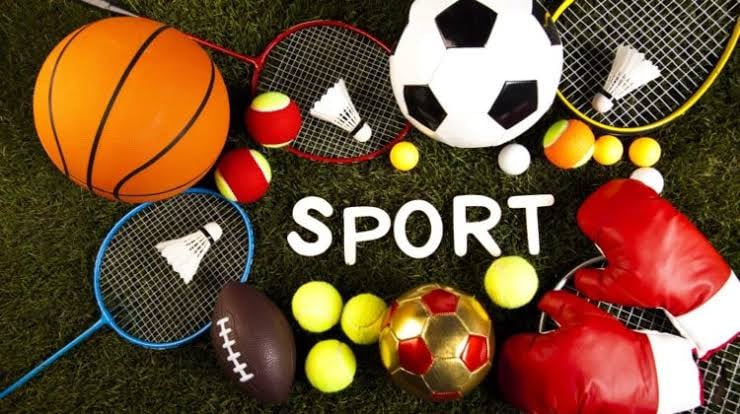
This course may be described as SPORTS SKILLS activities. It pertains to various activities with special kinds of skills particularly needed in playing highly organized games which are governed with rules and regulations such as Individual/Dual Sports and Team Sports. The emphasis is the development of a certain degree of expertise in the organization, officiating, playing, and scheduling of these games depending on one’s needs, interests, and aptitudes. It also helps/enriches students for the proper adaptation of time, particularly scheduling of games during a tournament in the school or in their community or locality.
- Teacher: LEILANIE CRISTIE SAGABAEN
- Enrolled students: 2
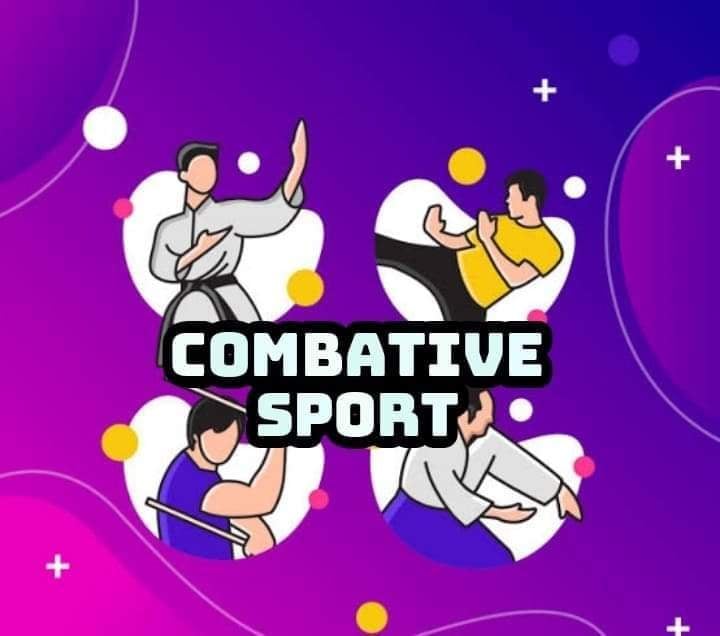
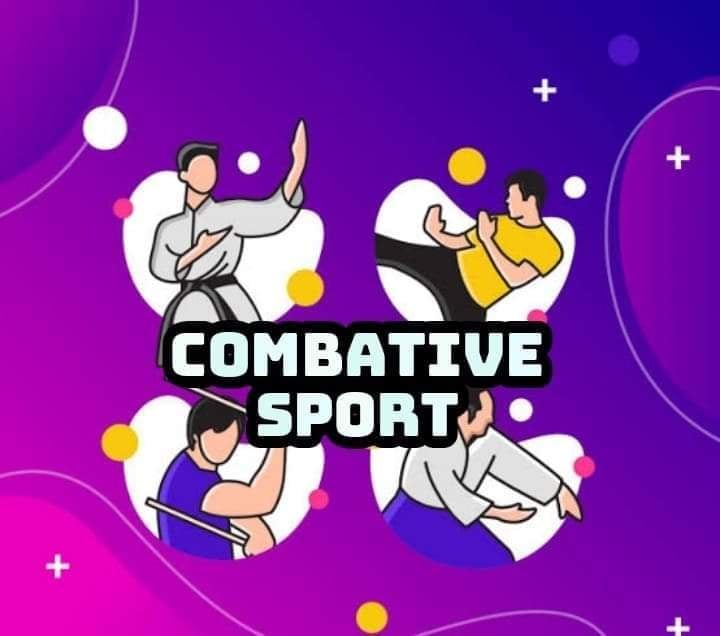
PATH FIT-CS 2 Physical Activity Towards Health and Fitness – (Combative Sports)
This course deals with the learning of the basic skills, rules of the discipline, and their application in the actual games. It presents the application of techniques and strategies regarding fighting forms, stance and posture, footwork, defense, and disarming techniques. The characteristics and principles of a good fighter are also discussed here. Students are expected to gain the competency skills of the combative sports being covered.
- Teacher: Judy Ann Pocquias
- Enrolled students: 79
- Teacher: Judy Ann Pocquias
- Enrolled students: 49
- Teacher: Judy Ann Pocquias
- Enrolled students: 46
- Teacher: Judy Ann Pocquias
- Enrolled students: 50
- Teacher: Judy Ann Pocquias
- Enrolled students: 21
- Teacher: Judy Ann Pocquias
- Enrolled students: 31
Exercise-based Physical Activities build on the foundation of motor skills developed through core training. This course provides students with diverse experiences in exercise programs aimed at maintaining and enhancing cardiorespiratory and musculoskeletal fitness, including core stability, muscle strength, endurance, and power. Additionally, it incorporates speed and agility training with a specific focus on improving body coordination and balance.
Aligned with fitness and wellness concepts, the course introduces exercise principles and healthy eating strategies to guide learners in achieving personal fitness goals. Through goal setting and the application of exercise principles such as frequency, intensity, time, type, progression, and volume, students will enhance their fitness levels and adapt their movement competencies to independent physical activity pursuits.
Learners will periodically evaluate their physical activity and eating patterns to monitor progress and ensure the achievement of fitness and dietary objectives. This course empowers students to develop sustainable habits that promote lifelong physical activity and overall wellness.
- Teacher: JEMALYN U. PALLAYA
- Enrolled students: 42
Exercise-based Physical Activities build on the foundation of motor skills developed through core training. This course provides students with diverse experiences in exercise programs aimed at maintaining and enhancing cardiorespiratory and musculoskeletal fitness, including core stability, muscle strength, endurance, and power. Additionally, it incorporates speed and agility training with a specific focus on improving body coordination and balance.
Aligned with fitness and wellness concepts, the course introduces exercise principles and healthy eating strategies to guide learners in achieving personal fitness goals. Through goal setting and the application of exercise principles such as frequency, intensity, time, type, progression, and volume, students will enhance their fitness levels and adapt their movement competencies to independent physical activity pursuits.
Learners will periodically evaluate their physical activity and eating patterns to monitor progress and ensure the achievement of fitness and dietary objectives. This course empowers students to develop sustainable habits that promote lifelong physical activity and overall wellness.
- Teacher: JEMALYN U. PALLAYA
- Enrolled students: 48
Exercise-based Physical Activities build on the foundation of motor skills developed through core training. This course provides students with diverse experiences in exercise programs aimed at maintaining and enhancing cardiorespiratory and musculoskeletal fitness, including core stability, muscle strength, endurance, and power. Additionally, it incorporates speed and agility training with a specific focus on improving body coordination and balance.
Aligned with fitness and wellness concepts, the course introduces exercise principles and healthy eating strategies to guide learners in achieving personal fitness goals. Through goal setting and the application of exercise principles such as frequency, intensity, time, type, progression, and volume, students will enhance their fitness levels and adapt their movement competencies to independent physical activity pursuits.
Learners will periodically evaluate their physical activity and eating patterns to monitor progress and ensure the achievement of fitness and dietary objectives. This course empowers students to develop sustainable habits that promote lifelong physical activity and overall wellness.
- Teacher: JEMALYN U. PALLAYA
- Enrolled students: 45
Exercise-based Physical Activities build on the foundation of motor skills developed through core training. This course provides students with diverse experiences in exercise programs aimed at maintaining and enhancing cardiorespiratory and musculoskeletal fitness, including core stability, muscle strength, endurance, and power. Additionally, it incorporates speed and agility training with a specific focus on improving body coordination and balance.
Aligned with fitness and wellness concepts, the course introduces exercise principles and healthy eating strategies to guide learners in achieving personal fitness goals. Through goal setting and the application of exercise principles such as frequency, intensity, time, type, progression, and volume, students will enhance their fitness levels and adapt their movement competencies to independent physical activity pursuits.
Learners will periodically evaluate their physical activity and eating patterns to monitor progress and ensure the achievement of fitness and dietary objectives. This course empowers students to develop sustainable habits that promote lifelong physical activity and overall wellness.
- Teacher: JEMALYN U. PALLAYA
- Enrolled students: 48
Exercise-based Physical Activities build on the foundation of motor skills developed through core training. This course provides students with diverse experiences in exercise programs aimed at maintaining and enhancing cardiorespiratory and musculoskeletal fitness, including core stability, muscle strength, endurance, and power. Additionally, it incorporates speed and agility training with a specific focus on improving body coordination and balance.
Aligned with fitness and wellness concepts, the course introduces exercise principles and healthy eating strategies to guide learners in achieving personal fitness goals. Through goal setting and the application of exercise principles such as frequency, intensity, time, type, progression, and volume, students will enhance their fitness levels and adapt their movement competencies to independent physical activity pursuits.
Learners will periodically evaluate their physical activity and eating patterns to monitor progress and ensure the achievement of fitness and dietary objectives. This course empowers students to develop sustainable habits that promote lifelong physical activity and overall wellness.
- Teacher: JEMALYN U. PALLAYA
- Enrolled students: 50

This course introduces students to a diverse menu of individual, dual, and team sports aimed at promoting holistic health, fitness, and social engagement. This course is designed to enhance physical performance, develop sport-specific skills, and foster teamwork and sportsmanship.
The individual sports component focuses on activities such as badminton, table tennis, and track and field, emphasizing self-discipline, goal setting, and personal growth. The dual sports module features sports like tennis and chess, where participants learn to strategize, communicate, and compete in a dynamic, cooperative environment. Team sports such as basketball, volleyball, and other non-contact team sports encourage collaboration, leadership, and the development of interpersonal skills within a group setting.
In addition to the physical activities, this course incorporates fitness principles, wellness strategies, and periodic evaluations to monitor progress in achieving personal fitness goals. PATHFIT 3 empowers students to explore and engage in lifelong sports participation while fostering physical, mental, and social well-being.
- Teacher: JEMALYN U. PALLAYA
- Enrolled students: 50
This course introduces students to a diverse menu of individual, dual, and team sports aimed at promoting holistic health, fitness, and social engagement. This course is designed to enhance physical performance, develop sport-specific skills, and foster teamwork and sportsmanship.
The individual sports component focuses on activities such as badminton, table tennis, and track and field, emphasizing self-discipline, goal setting, and personal growth. The dual sports module features sports like tennis and chess, where participants learn to strategize, communicate, and compete in a dynamic, cooperative environment. Team sports such as basketball, volleyball, and other non-contact team sports encourage collaboration, leadership, and the development of interpersonal skills within a group setting.
In addition to the physical activities, this course incorporates fitness principles, wellness strategies, and periodic evaluations to monitor progress in achieving personal fitness goals. PATHFIT 3 empowers students to explore and engage in lifelong sports participation while fostering physical, mental, and social well-being.
- Teacher: JEMALYN U. PALLAYA
- Enrolled students: 42

People and Earths Ec0sysrem
- Teacher: Elma Thiam
- Enrolled students: 16
- Enrolled students: 30
- Teacher: Leeana Pauline B. Alap
- Enrolled students: 49
Summary
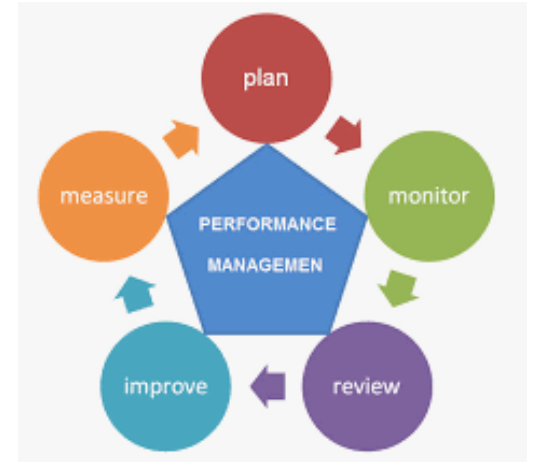
This course identifies the knowledge and skills needed for effective management of individual and team performance and examines the design of performance management systems that aim to transform organizational objectives into performance outcomes.
Course Description
Performance management provides learners with the knowledge and understanding of identifying, measuring and developing the performance of individuals and teams and aligning their performance with the operational and strategic objectives of the organizations in different business environments. Implementing performance management systems is related with how the performance of people can be enhanced and inspired by leadership and direction and how it contributes to high-performance work organization, including a performance review process that combines challenge and support and places a focus on personal, team and organizational learning and accountability.
Furthermore, it
recognizes the importance of communication skills in the performance review
process and evaluates the need for employee involvement as well as transparent,
ethical and justifiable rewards for performance
Course Objectives: The objective of the course is to apprise the students about the importance of Performance Management in organizations and impart an understanding of the process of managing performance to achieve the organization’s current and future objectives.
Course Content:
1. Performance Management Framework
2. Performance Management Planning and Implementation
3. The control function of management
4. Management control alternatives and their effects
5. Financial results control systems
6. Performance measurement issues and their effects
7. Performance measurement and the balanced scorecard
· - Strategy maps
· - Creating performance measures
8. Ethical issues and Dilemmas in Performance Management
Learning Outcomes
Upon completion of this course, the student will be able to:
- Explain the concept of performance management and different advantages of implementing well-designed performance management systems.
- Explain and understand that performance management is an on-going process composed of several sub-processes, such as performance planning, execution, assessment, and review.
- Understand different approaches to performance measurement.
- Design a performance management system and compare and contrast various organizational performance management programs and best practices.
- Understand and develop key skills involved in effective performance management.
- Employ job-related performance standards and performance indicators that reflect the employees’ range of responsibilities.
- Identify and communicate appropriate actions with employees (e.g. training and development, wage increase, promotion, bonus etc.) based on their performance strengths and weaknesses
Skills and Attributes
Knowledge and Understanding: After completing this course, students should have gained:
a. A secure knowledge and understanding of the concepts, techniques and practices of effective performance management.
b. An insight into the practical issues in designing and delivering effective performance management of individuals, teams and organizations.
Cognitive Skills: After completing this course, students should be able to:
a. Understand and appreciate the importance of implementing well-designed performance management systems.
b. Recognize deficiencies in the existing systems and suggest how these can be improved.
Subject Specific Skills: After completing this course, students should be able to:
a. Plan effective performance management policies and practices to improve individual, group and organizational performance.
b. Devise and sustain arguments for using appropriate performance management techniques, rewards and sanctions to improve performance.
c. Demonstrate the communication skills required when managing achievement and underachievement.
d. Systematically decide and communicate strategic performance aims, objectives, priorities and targets.
e. Design efficient performance management system
f. Critically evaluate the effectiveness of performance management.
Student Learning Experience
The topics covered in
the course range from the analysis of several components of the performance
management process through an examination of approaches to performance
measurement, to implementing a performance management system and considering
different activities and techniques to improve employee performance.
Planned leaning activities and methods of teaching
a. Introduction to the main topics via online presentation and discussion (synchronous and recorded)
b. Self-study of related and selected literature.
Evaluation
Assignments/Quizzes/Examinations must be done in the LMS/submitted at the time specified. Requests for adjustments to that schedule must be made to the faculty member. Failure to do so will result in a mark of “0”, unless a justifiable reason can be proven with an appropriate documentation.
Suggested reading materials:
Lanen/Anderson/Maher. Fundamentals of Cost Accounting
Cabrera, E. B. 2020. Strategic Cost Management
Waren/Reeve/Duchac, 13 Ed. Managerial Accounting
- Teacher: Maramba, Veronica C.
- Enrolled students: 44
|
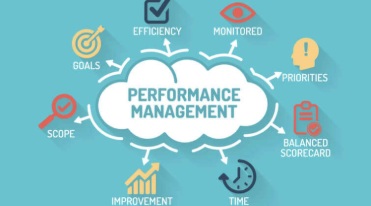
The course Performance Management System provides third-year undergraduate Management Accounting students with knowledge of the fundamental principles of the performance management system; (2) the different performance evaluation and improvement tools, (3) performance analysis of the economic efficiency of the firm, and (4) enterprise risk management. The course aims to cover performance evaluation and improvement tools and risk management methodologies applicable across industries, so that students develop the skills to interpret and recommend strategies for decision-making. The course begins with the Conceptual Framework of Performance Management, which includes discussions of the fundamental concepts, the analysis of the relationships among performance, productivity, and efficiency, Financial Performance Analysis, Supply Chain Management (SCM), Customer Relationship Management (CRM), and Customer Profitability Analysis. After setting out the framework, the course highlights the different performance evaluation and improvement tools such as the (a) Balanced Scorecard, b) Du-Pont Analysis, (c) Bench marking & Bench trending, (d) Six Sigma, (e) Statistical Quality Control (SQL), (f) Plan- Do- Check- Action (PDCA), (g) Management Information System, (h) Online Analytical processing tools, (i) Tools to Improve Productivity and Profitability – MRP I, MRP II and ERP, (j) Total Productivity Management and (k) Total Quality Management. The third major topic of this course is the Performance Analysis of the Firm's Economic Efficiency. In this topic, students will learn about profit maximization under different market structures, the concepts of markets and demand, methods of demand forecasting, and the market factors affecting pricing decisions. The course ends with a discussion of Enterprise Risk Management (ERM), covering its fundamental concepts, Corporate Risk Management, and Corporate Failure. After completing the course, students should be able to develop appropriate business and management policies, action plans, and strategies, taking into account the organization's performance evaluation analysis and risk profile. |
- Teacher: Sheryl A. Adducul-Baria
- Enrolled students: 39