
Search results: 4021
The prime concern of this course initiates/orients the students to the political and constitutional ideas of selected Filipino thinkers, which include heroes, academics, politicians, and literary figures. The course surveys these ideas across time periods from Spanish colonization to contemporary Philippines.
- Enrolled students: 19

- Teacher: nicole anne aquino
- Enrolled students: 23
In 2013, the Commission on Higher Education (CHED) issued CHED Memorandum Order (CMO) No. 20, s. 2013 entitled: “General education Curriculum, Holistic Understandings, Intellectual and Civic Competencies.”
The said CMO discussed the inclusion of the subject Philippine Popular Culture (PhilPop Culture), which is under the Arts and Humanities domain of knowledge (which also embraces social sciences and philosophy, and science, technology, and mathematics).
As a subject, PhilPop Culture should discuss “new forms in art. Music, and literature arising from opportunities and demands of mass audiences, markets, and mass media, and their social, economic, and political contexts” (CMO No. 20, s. 2013).
At the end of this course, the students are expected to affirm their appreciation of the classic forms of culture as well as discover, discuss, and develop trends in Philippine culture brought about by various internal and external influences.- Teacher: SHERWEEN JERRY PAUL SAQUING
- Enrolled students: 43
- Teacher: SHERWEEN JERRY PAUL SAQUING
- Enrolled students: 5
In 2013, the Commission on Higher Education (CHED) issued CHED Memorandum Order (CMO) No. 20, s. 2013 entitled: “General education Curriculum, Holistic Understandings, Intellectual and Civic Competencies.”
The said CMO discussed the inclusion of the subject Philippine Popular Culture (PhilPop Culture), which is under the Arts and Humanities domain of knowledge (which also embraces social sciences and philosophy, and science, technology, and mathematics).
As a subject, PhilPop Culture should discuss “new forms in art. Music, and literature arising from opportunities and demands of mass audiences, markets, and mass media, and their social, economic, and political contexts” (CMO No. 20, s. 2013).
At the end of this course, the students are expected to affirm their appreciation of the classic forms of culture as well as discover, discuss, and develop trends in Philippine culture brought about by various internal and external influences.- Teacher: SHERWEEN JERRY PAUL SAQUING
- Enrolled students: 53
- Teacher: SHERWEEN JERRY PAUL SAQUING
- Enrolled students: 43

- Teacher: ERWIN NAVAL
- Enrolled students: 14
- Teacher: ERNEST ESMERALDA
- Enrolled students: 5
Recent trends in Philippine historiography reflect both a reaction against colonial scholarships and a vigorous search for an indigenous and truly Filipino perspective of the past. The assertion that “history is never for itself; it is always for someone” is as true now as it was then. Then, because history served the ends of foreign colonial rule and its domestic partners; now, because Filipino historians seek to write history, first & foremost (some would say exclusively) for Filipinos (Diokno, 1994). Hence, the subject on Philippine Studies has become so broad that it has today become a fertile ground for new paradigms and studies.
The course provides varied information and extremely broad sets of issues in Philippine Historical Studies presented both diachronically and synchronically. It serves to form, strengthen, widen, and enhance the knowledge, skills, attitudes and values of social studies graduate students about the country’s history in general and present issues that affect the Filipinos in particular. It also offers the students an avenue for critical thinking as issues and trends require some form of deconstruction and reconstruction.
- Teacher: ERNEST ESMERALDA
- Enrolled students: 4
Recent trends in Philippine historiography reflect both a reaction against colonial scholarships and a vigorous search for an indigenous and truly Filipino perspective of the past. The assertion that “history is never for itself; it is always for someone” is as true now as it was then. Then, because history served the ends of foreign colonial rule and its domestic partners; now, because Filipino historians seek to write history, first and foremost (some would say exclusively) for Filipinos. Hence, the subject on Philippine Studies has become so broad that it has today become a fertile ground for new paradigms and studies.
The course provides varied information and extremely broad sets of issues in Philippine Historical Studies presented both diachronically and synchronically. It serves to form, strengthen, widen, and enhance the knowledge, skills, attitudes and values of social studies graduate students about the country’s history in general and present issues that affect the Filipinos in particular. It also offers the students an avenue for critical thinking as issues and trends require some form of deconstruction and reconstruction.- Teacher: KENNETH MASLANG
- Enrolled students: 12
Recent trends in Philippine historiography reflect both a reaction against colonial scholarships and a vigorous search for an indigenous and truly Filipino perspective of the past. The assertion that “history is never for itself; it is always for someone” is as true now as it was then. Then, because history served the ends of foreign colonial rule and its domestic partners; now, because Filipino historians seek to write history, first and foremost (some would say exclusively) for Filipinos. Hence, the subject on Philippine Studies has become so broad that it has today become a fertile ground for new paradigms and studies.
The course provides varied information and extremely broad sets of issues in Philippine Historical Studies presented both diachronically and synchronically. It serves to form, strengthen, widen, and enhance the knowledge, skills, attitudes and values of social studies graduate students about the country’s history in general and present issues that affect the Filipinos in particular. It also offers the students an avenue for critical thinking as issues and trends require some form of deconstruction and reconstruction.- Teacher: KENNETH MASLANG
- Enrolled students: 29
- Teacher: Felipe Nantes
- Enrolled students: 13
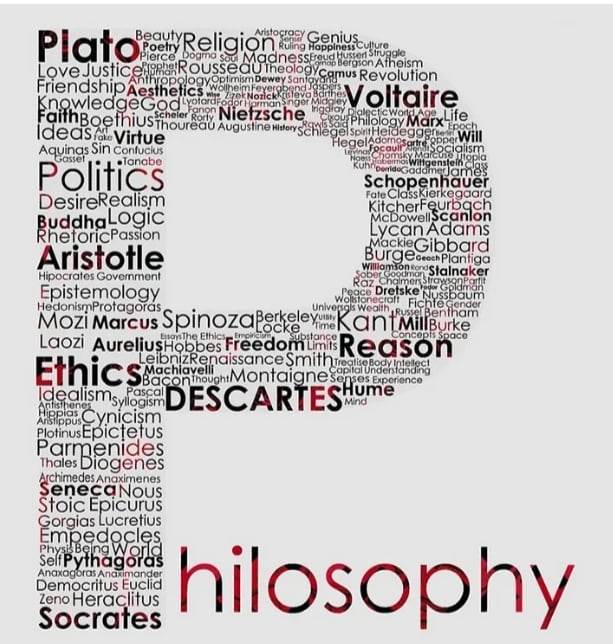
This course is a critical survey of various philosophical views of education, their similarities and differences in the way leading philosophers and educators define the purpose of education, the role of the teacher and the function of the school, the nature of the curriculum and assessment, the nature of the learner and the method of instruction. It also includes a personal clarification of one’s purpose of schooling, his/her role as a teacher, what s/he should teach, and by what method. It attempts to show the invaluable position of philosophy in understanding and creating educational theories. And ultimately, it aims to expose the students to philosophic views and enable them to ideas these in addressing current educational issues.
- Teacher: Felipe Nantes
- Enrolled students: 5
- Teacher: SAMUEL DAMAYON
- Enrolled students: 1
- Teacher: Felipe Nantes
- Enrolled students: 8
- Teacher: Felipe Nantes
- Enrolled students: 6
- Teacher: Aileen Mae Cabanting
- Enrolled students: No students enrolled in this course yet
- Enrolled students: No students enrolled in this course yet
- Teacher: Dwight Soyan Dangilan
- Enrolled students: 15
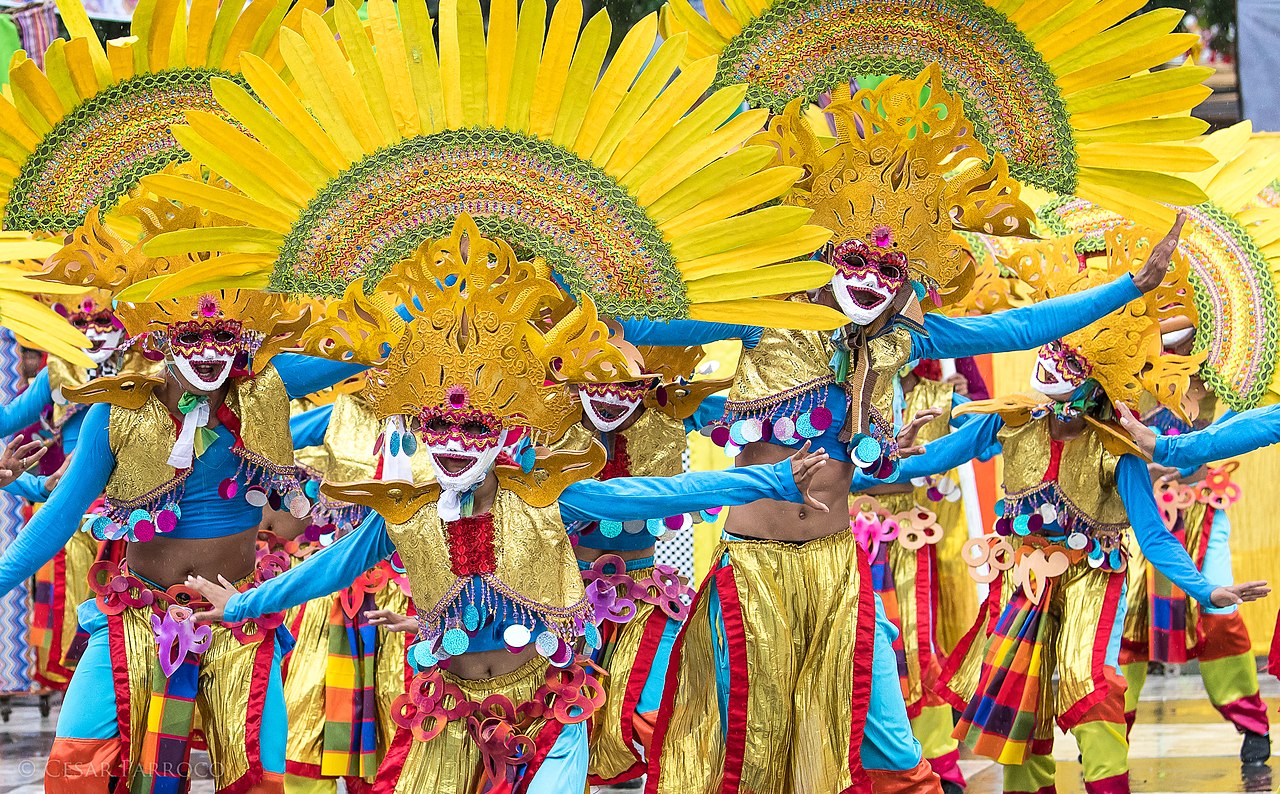
This course covers paradigmatic accounts of human nature in ancient, medieval, and early modern philosophy, through a careful reading of selected primary texts from each period. Major topics will include happiness, virtues, human nature; knowledge and opinion; body and soul; immortality, rationality, and freedom of the Will; created being and goodness as emanations of divine perfection. The main focus of the discussion will be on the metaphysical foundations of moral value in the pre-modern tradition, and the conceptual changes shaking these metaphysical foundations with the emergence of modern philosophy. For school managers, the subject brings to fore the right philosophy in dealings with his/her peers, subordinates and superiors as applied in the workplace.
The main objective of this course is to introduce students to philosophical inquiry by examining the fundamental issues and arguments concerning man and the nature of human beings. students are expected to gain and understand some of the major concepts and theories on man/human and human nature; gain insight into the philosophical knowledge of the human person; learn how to evaluate the philosophical positions of the philosophers; increase appreciation of what it means to be human; and improve critical thinking on philosophical issues.
- Teacher: HENRY GAMBOA
- Enrolled students: 4